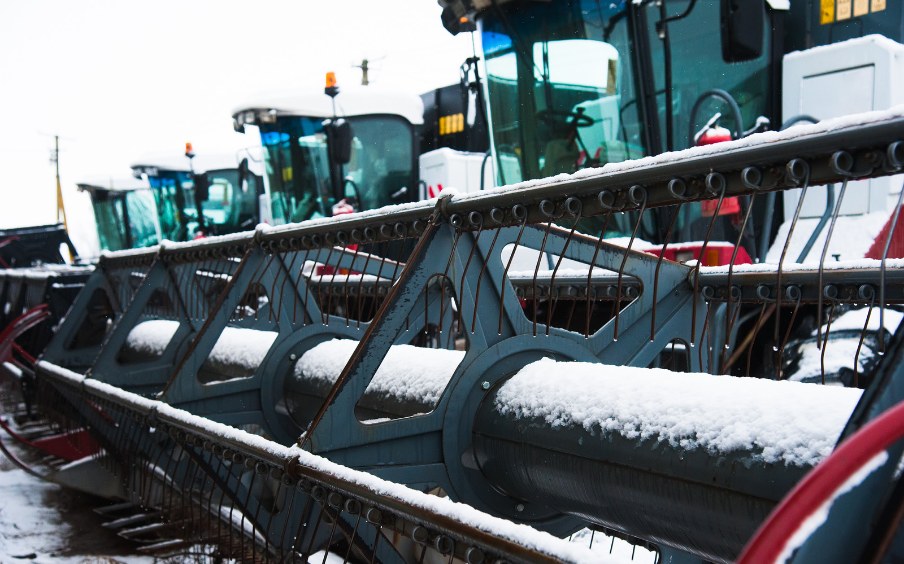

As fields clear and the season winds down, tractors, loaders, and implements are about to sit idle for months. How you store them now has a big impact on how they perform when you need them again. A little hydraulic system maintenance today can help you avoid leaks, contamination, and unexpected downtime come spring.
Here’s a quick checklist to run through before you park it for the winter.
Why Winter Storage Is Hard on Hydraulics
Parked equipment might look like it’s resting, but an idle hydraulic system faces risks of its own. Temperature swings cause condensation to form inside tanks and lines, and that moisture can mix with your fluid, leading to corrosion and poor performance. Cold weather also stiffens rubber hoses and seals, making small cracks more likely to open up. And any dirt left on couplings or open ports has all winter to work its way into the system.
The good news is that most of these problems are easy to prevent with a bit of attention before you put things away.
Your End-of-Season Hydraulic Checklist
1. Start with a hydraulic hose inspection
Look for cracks, abrasions, bulges, and signs of leaking. Hoses that look tired now won’t get better sitting in the cold, so replace them before storage instead of discovering the problem on your first day back.
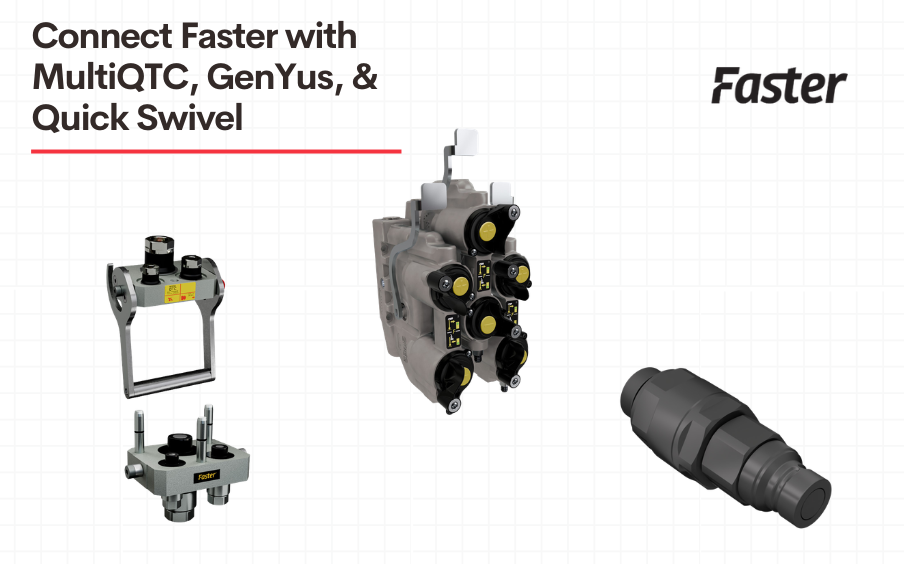
2. Clean and cap every hose coupling
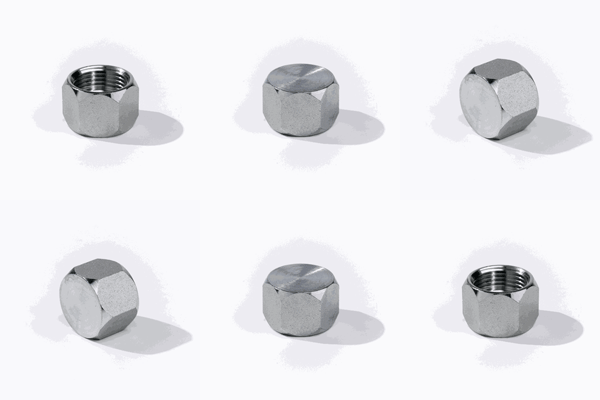
Dirt and moisture are some of the biggest threats to a hydraulic system. Wipe down each hose coupling, check it for wear or damage, and make sure dust caps and plugs are in place to keep contaminants out while equipment sits.
3. Check your hydraulic fittings and seals
Tighten anything that’s loose and watch for weeping connections. Worn seals are easy to overlook and can turn into bigger problems down the line.
4. Look after your fluid
Check fluid levels and condition. If it’s due for a change, do it before storage so old, contaminated fluid isn’t sitting in the system all winter.
5. Relieve system pressure
Release pressure according to your equipment manufacturer’s guidelines. It’s safer for whoever works on the machine next, and it makes connecting and disconnecting couplings easier when the season starts again.
6. Make a list of what needs replacing
If you spot worn parts during your inspection, order them now so you’re not scrambling (or waiting on parts) when it’s time to get back to work.
Tip: Keep this checklist where you’ll use it
Print this page and pin it up in your shop, storage shed, or wherever you do your maintenance. That way it’s always handy at the end of the season, and it’s a great reminder to run through the same checks before you fire everything up again in spring.
A Little Prep Goes a Long Way
An hour or two of hydraulic system maintenance now can save you days of frustration when the season starts again. Take care of your equipment before it goes into storage, and it’ll be ready to work as hard as you do when spring rolls around.
Get What You Need, Fast
Whether you’re replacing worn couplings, swapping out hoses, or stocking up on hydraulic fittings, we have the hose and fittings you need. Orders for in-stock items placed by 3 p.m. ship the same day, so you can wrap up your maintenance and get on with your off-season.
Not sure what you need? Our team is happy to help you find the right part.
Frequently Asked Questions
How do I evaluate hydraulic hose quality and reliability?
Start with the outer cover. Cracks, abrasions, bulges, or a stiff, brittle feel are signs a hose is nearing the end of its life. Check where the hose meets the fitting for leaks or any sign of slipping. When replacing a hose, choose one rated for your system’s pressure, temperature, and fluid type.
How do hydraulic components affect equipment downtime?
A single failed hose, coupling, or fitting can take an entire machine out of service. Worn parts can also let contaminants in, which can damage pumps, valves, and cylinders. Replacing worn components before they fail is one of the simplest ways to avoid unplanned downtime, and the end of the season is the ideal time to do it.
What hydraulic components should I keep on hand for agricultural equipment?
It’s a good idea to keep spare hoses in your most common sizes, quick couplings, dust caps and plugs, seals, and a selection of hydraulic fittings and adapters. The right parts depend on your equipment, so check your manufacturer’s specifications or ask our team for help building your list.
Where can I buy hydraulic components with same-day shipping in Canada?
Tompkins Canada ships orders for in-stock items the same day when they’re placed by 3 p.m. With over 8,000 hydraulic adapter configurations, plus hoses, couplings, and fittings, we can help you get what you need without the wait.
How can I order hydraulic parts online quickly and easily?
Setting up an online ordering account with Tompkins lets you browse our catalogue and place orders whenever it suits you, whether you’re stocking up for spring or replacing a part in a hurry.